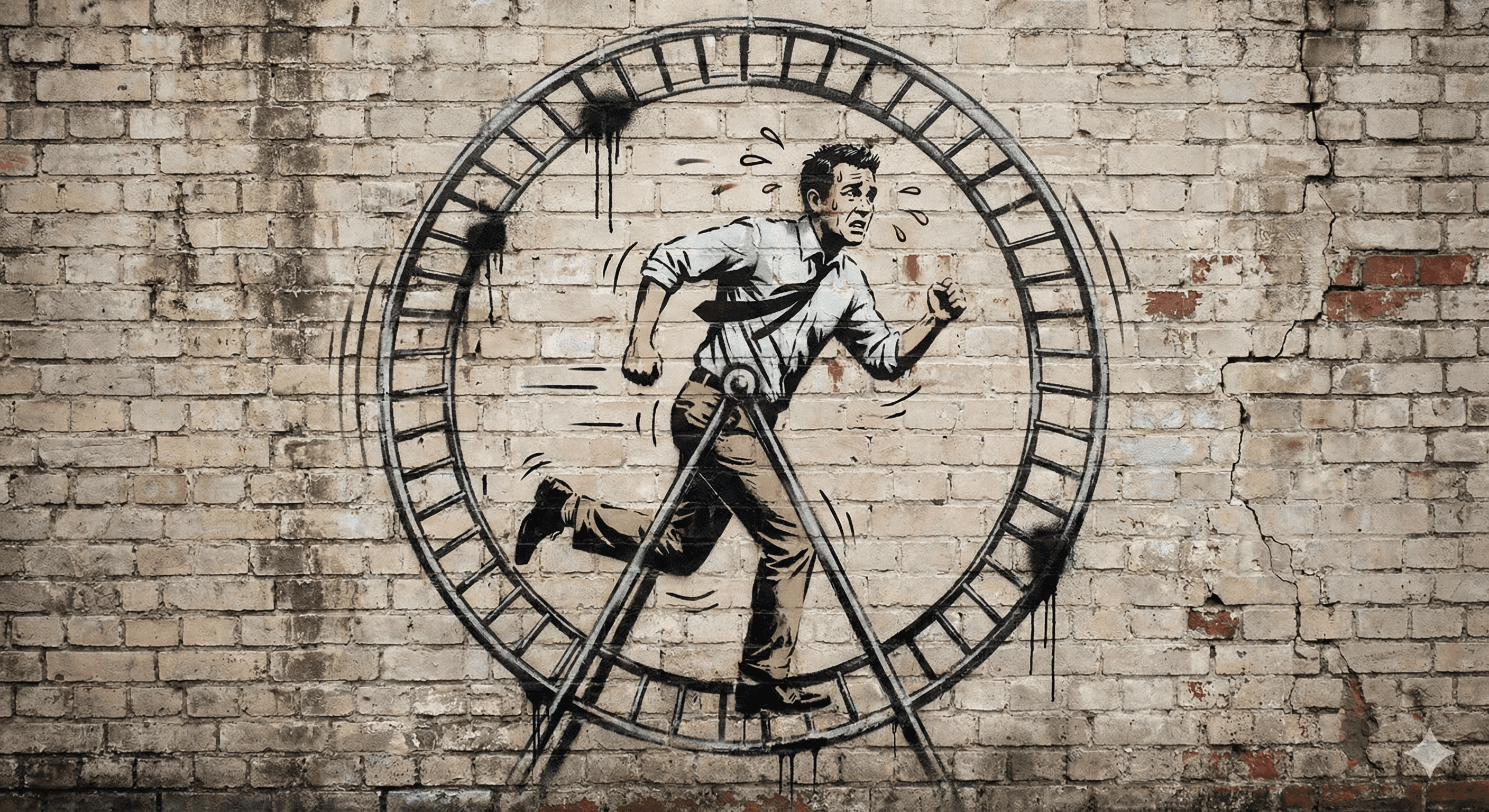
"I led a product launch that failed very visibly. We launched late, our pipeline generated is still at zero, senior leadership has given my boss a hard time over it on all hands calls, and I know all the decision making sat with me. Nobody has said anything overly negative to me directly, but I definitely feel out in the cold and I am mature enough to realize that there were so many things I could, and should, have done better. I keep waking up in the early hours replaying it in my head and I worry that this will define me here. How do you actually recover after a failure people have seen and remember? Honestly, should I start looking for another job?”
Claire, Manchester, UK
Rich’s reply
Claire, first things first. The fact you are mature enough to take responsibility and reflect is a very good sign. It is exactly the sort of behaviour I would look for and respect if I were in your organisation.
Almost everyone who goes on to do anything meaningful in marketing will have at least one visible failure on their record. A launch that flops. A spreadsheet with the wrong numbers. A big bet that does not pay off. A moment where you were trusted, you made a call, and it did not work.
Personally, I remember a Chief of Staff that accidently emailed a list of ExCo salaries to…everyone on ExCo (!) which caused the CEO so much pain. I remember the time where I made a very visible, large bet on building a new e-commerce site that didn’t sell a thing.
Look at it this way. Every time you are interviewed, you will be asked some version of “tell me about a time when things went wrong and what you did.” Congratulations, you now have a genuine answer, although you are still writing the second half of the story.
Your career is long. Every bump in the road becomes training. Right now, you can only see the failure. In reality you have just been through a very intense learning experience.
What separates people who go on to bigger roles from those who stall is almost never the mistake itself. It is how they behave afterwards. I firmly believe you should never judge someone on a mistake, only on how they respond.
There is also something important to understand about how the best leaders think. They would rather work with someone who has been wrong, learned, and stayed brave, than someone who has never been tested. Failure handled well is often a quiet signal of future leadership. It shows resilience, perspective, and judgement under pressure.
"I've missed more than 9,000 shots in my career. I've lost almost 300 games. 26 times, I've been trusted to take the game winning shot and missed. I've failed over and over and over again in my life. And that is why I succeed" Michael Jordan
Senior leaders rarely remember the detail of what went wrong for very long. They have a lot going on. What they do remember is your response. Your composure. Your ownership. Your emotional maturity. And whether you can clearly articulate what you would do differently next time.
That senior stakeholder who is challenging your boss in public. I would put good money on the fact they have many such exchanges with many people. Good leaders air their view and then move on. They also know that failures like this are rarely down to one person. They are usually systemic, and fixing systems sits squarely in their remit.
There are three common traps B2B marketers fall into after a visible failure.
The first is over explaining. Hoping that if people really understood every detail, every nuance, every constraint, they would judge you differently. In reality this often keeps the failure alive longer than it needs to be.
The second is blaming. Throwing people under the bus is never admired and never forgotten, even if it brings a brief moment of emotional relief. True leaders stand in front of the criticism, not behind their teams. Many people will be disappointed about this launch, not just you. How you show up for them now will be remembered.
The third is becoming too emotional. Taking everything personally. Reading meaning into every comment. Assuming trust is gone rather than temporarily dented.
The strongest recovery looks much simpler from the outside.
Own the disappointment. Acknowledge it. Diagnose it. Proactively talk it through with your line manager and then take their lead on how far and wide it needs to go. It will probably be the last conversation on it.
Own what happened calmly. No drama. No excuses. No self-punishment.
Then move forward. Keep contributing. Keep your hand going up. Bring a great attitude. Execute well. Show through behaviour, not speeches, or, god forbid, long winded emails. Show that you have learned and that you are still willing to make decisions.
Most reputations are not defined by the worst day. But they can defined by the worst reaction. So don’t go that way.
Judging by the letter you sent me, you care, willing to seek counsel and learn.
Your career will benefit from this. Honest.
Onwards.
Got a question for Rich? Email it to editor@b2bmarketing.com