“Dear Rich,
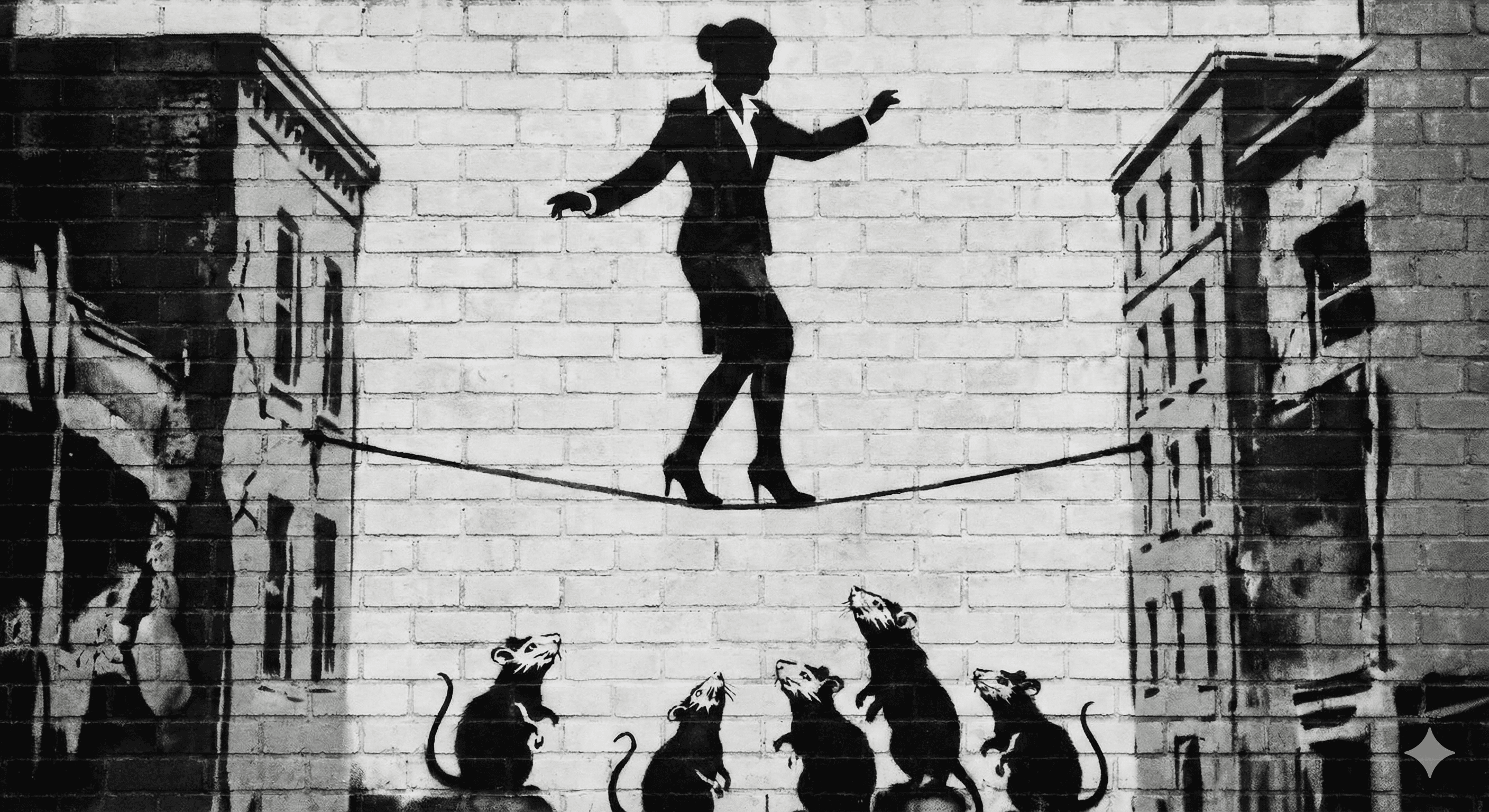
I have just been promoted from Marketing Manager to Head of Marketing. The team I now lead includes two people who went for the same role and did not get it. One has been supportive. The other has said they were happy for me but has been subtly undermining in meetings. Questioning decisions in a way they never used to. Going quiet and then raising doubts elsewhere. Nothing overt, but enough that other people have also picked up on it and let me know.
I am trying to be fair and professional, but I also do not want to look weak or let this dynamic damage the team. How exactly are you supposed to lead people who were your peers yesterday and might have an axe to grind?”
Alex, San Diego
Rich’s reply
Alex, congratulations on your promotion. Getting the role in a competitive situation is no small feat, so take a moment or two to celebrate.
As you are already finding, you have not just stepped up in responsibility. You have stepped into a new power relationship in front of people who wanted the same seat.
Going up a level to 'Head of Marketing' is a fundamental shift. You are no longer just responsible for delivery. You are now responsible for strategy, direction, prioritisation, budget, performance, and ultimately for who succeeds and who does not. Your social contract has changed, whether you want it to, or not.
For the people who did not get the role, there is often a mix of disappointment and bruised ego. In the best scenario, that shows up as support. But sometimes it shows up as subtle resistance and a little toxicity. Not because you are doing anything wrong, but because the situation is hard to process and frustration can boil over. It is human nature to feel deflated.
The first mistake new Heads of Marketing make is trying to smooth it over by being overly accommodating. Trying to prove they are still one of the team. Avoiding difficult conversations. Hoping the tension will fade on its own. But it rarely does.
The second mistake I see is people swinging hard the other way (no, not like that) and becoming overly formal or distant, as if authority alone will solve it. That can make it seem like the role has gone to your head and you don't want to load that bullet for people.
The third, and most damaging, is tolerating undermining behaviour in the name of empathy or hope.
Empathy is important. It is mature to consider how someone feels. But leadership is also about deciding what behaviour is acceptable. It is about being clear who is on the bus, who is not and who needs to step up to stay on it.
In your situation, I would acknowledge the dynamic directly and early. Let your own line manager know what you plan to do before you do it so they are aligned and can support you if needed.
Then have a private, calm conversation with the individual. Not confrontational. Not emotional. Just really clear. And documented.
Something like:
I know we have a new dynamic to get used to and that is not always easy. I want you to know that you are a key part of this team and I want us to be able to challenge each other openly and have each other’s backs. I need concerns raised in the room, not around it, and once decisions are made, I need visible support.
You are not asking for agreement. You are setting expectations, offering a reset, and drawing a line.
Balance these messages with encouragement and involvement, so they know they will still access some of that seniority and influence they crave. If they were considered for the role, it will be because they had valuable knowledge and skills. Ideally, they will be a good lieutenant for you moving forwards.
From there, consistency is everything. Apply standards evenly. No favourites. No special treatment. No overcompensation. Praise in public. Challenge in private. Make it clear through your behaviour that the role, not the history, now defines the relationship.
Some people will struggle with your success because it reflects something they wanted and did not get. You cannot manage their disappointment for them. You can only manage how it shows up at work. Hopefully the reset works and everyone moves forward.
If the undermining continues, it stops being about emotion and becomes about performance and professionalism. And it must be managed as such. Quiet resistance and toxic behaviour corrode teams far faster than open disagreement. If you have kept your line manager in the loop, you then start the process of moving that person out. In my experience, nobody ever regrets taking that step when it is truly needed. They only ever regret waiting too long.
Give yourself permission to let some relationships change. You have moved from being a peer to being accountable for a function. That comes with distance as well as authority, and things will find a natural balance over time.
Being a Head of Marketing will never be a popularity contest. It is about being trusted to set direction, make calls, and hold the line when it matters. Sometimes that means making decisions that are uncomfortable, even if they keep you up at night until that final day with HR.
Do that with fairness, clarity, and calm, and most of the team will come with you. The ones who cannot, will, in time, either adapt, move on, or be moved on.
Welcome to leadership.
Onwards.
Got a question for Rich? Email it to editor@b2bmarketing.com