"I am a freelance marketing consultant. My latest prospect has just told me that they've decided to try and do all their marketing for free using ChatGPT so 'Thanks, but no thanks for your proposal'.
It's becoming more and more common, marketing getting bumped into the general AI company strategy, insane. But mid-sized organisations are all starting to do it. Are you seeing this too?"
Katie, Fleet, UK
Dear Katie,
We are very much in the middle of the AI honeymoon period. I feel a rant coming…
More and more people are being exposed to, and experimenting with, basic, easily accessible AI assistants such as ChatGPT, Claude, Perplexity and Copilot. We must all admit that the first few times you play with them, they can be impressive.
But the moment you converse with them on a topic you specialise in, the limitations become glaringly obvious. You can spot the oversimplifications. The generalisations. The lack of actual nuance. The factual errors. Even the typos.
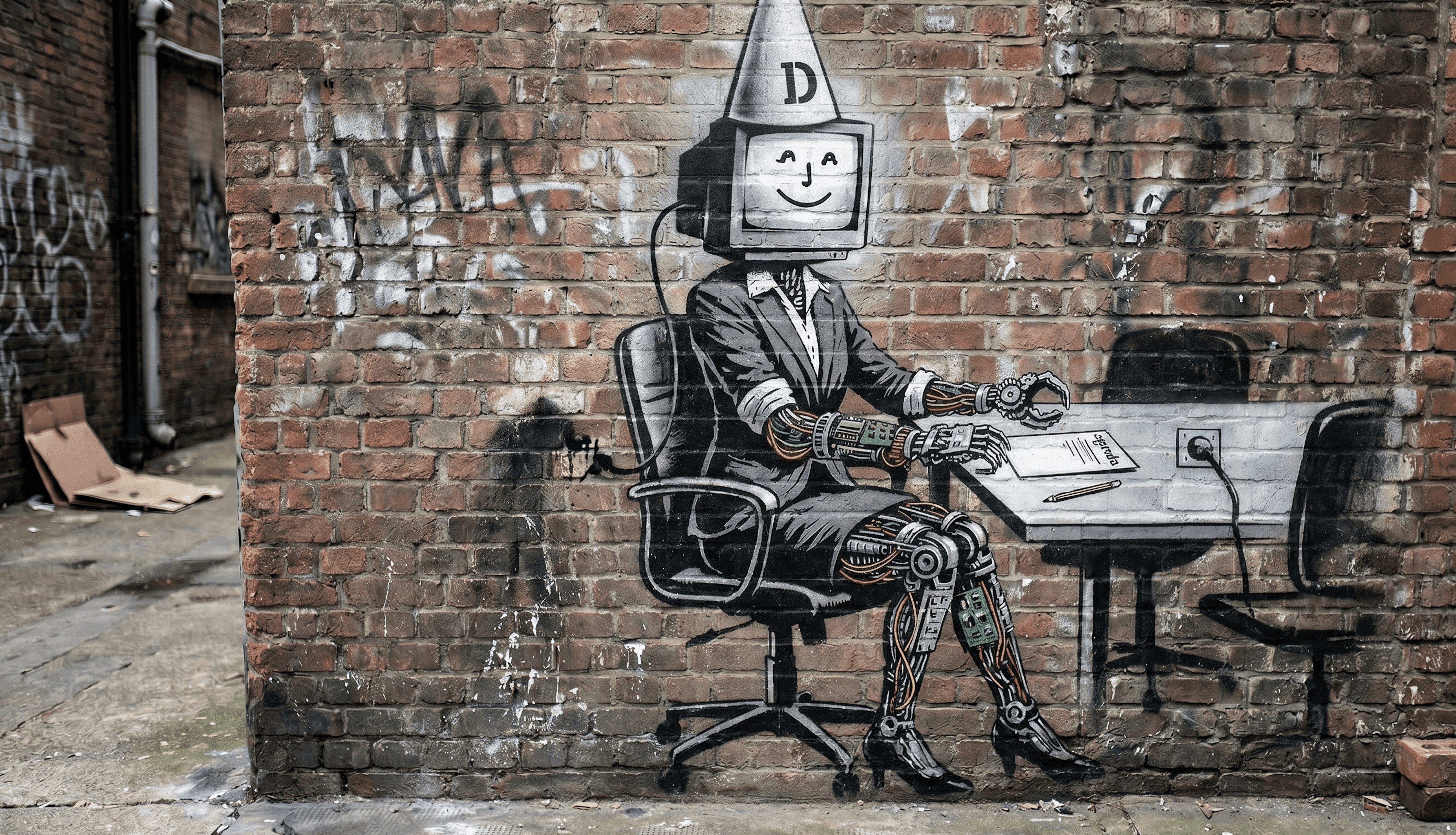
Because although AI assistants seem smart, they are not. They are simply pulling common answers together from common sources, by recognising patterns. Top and tailed with some pleasantries and faux encouragement, and you can be forgiven for wondering if they might pass the Turing test.
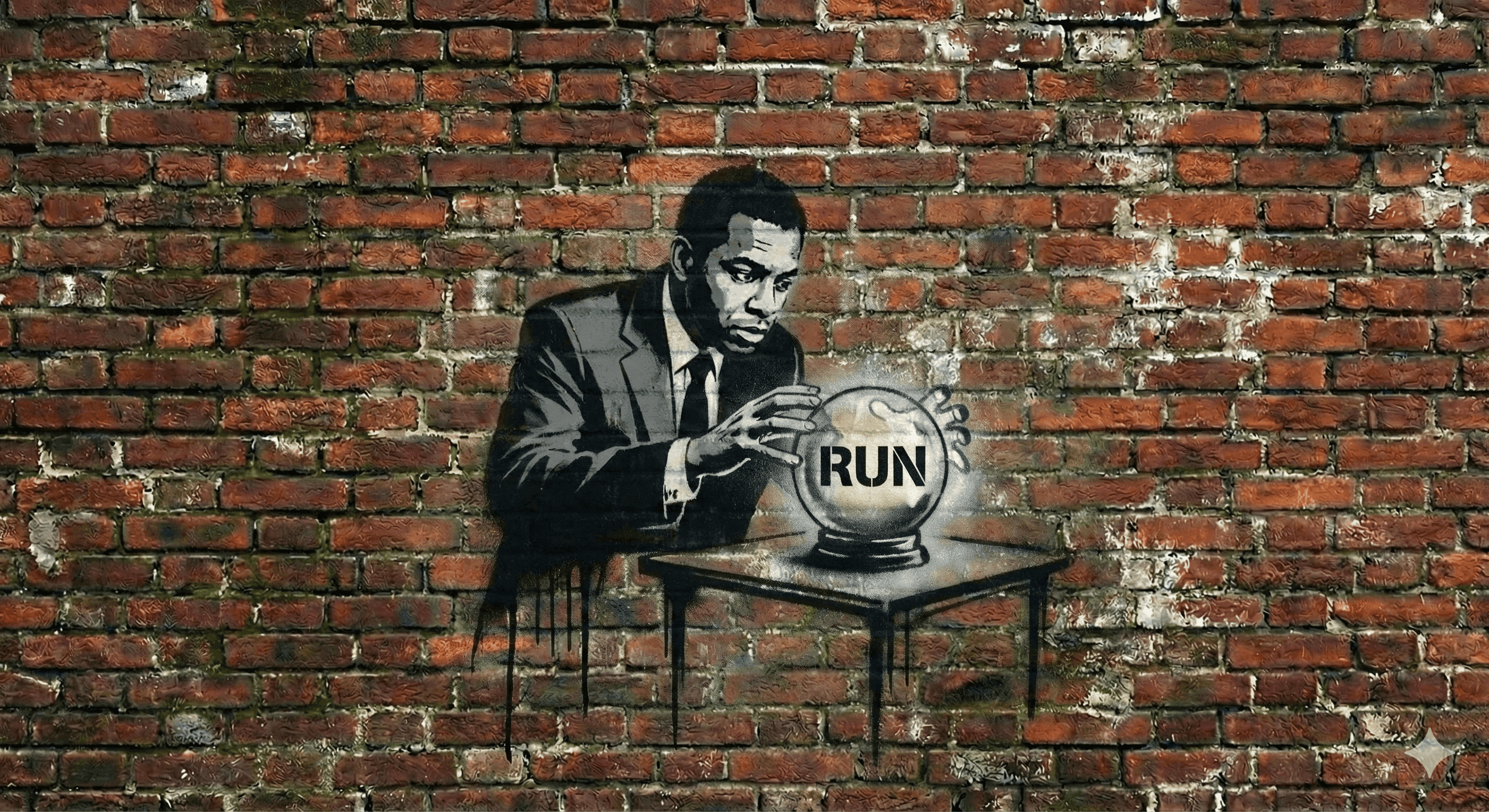
At this moment in time, AI assistants cannot understand. They do not understand nuance. Context. Experience. Intuition. Instinct. Creativity.
One day, maybe. But now? Absolutely not. And if anyone tries to convince you otherwise, they probably have a hard drive full of NFTs.
Before anyone accuses me of being anti-AI, I'm not. I'm just anti-stupid.
AI assistants can be extremely useful. I use them daily for different purposes. They help guide you to an answer. They can help you iterate so much faster. They can help get you to a decision point, but they just as easily give you bad ideas you do not want to explore.
The responsibility to ensure quality of output is still unmistakably on the human. AI in the right hands is extremely powerful. And I see AI making good marketers faster, better and smarter.
But the gap between those people and the average user being overconfident in AI is widening by the day. And it's the latter that we should be worried about.
I've had a CEO pull me into his office to show me that his AI assistant can quickly build a marketing plan. Spoiler: it would get a C at high school, but that's about it. So unfortunately, I can very well believe that some people out there think AI can write and execute their marketing for them (after all, marketing and HR are the two professions everyone secretly thinks they could do).
But AI can't. Not for a few more years at the very least. Even the AI tools developed by marketers are still evolving and require a real marketer on top.
In the last few months alone, I have seen real-world examples of AI-generated mistakes that have made it all the way to board level:
Invented competitors mentioned in board reports
Cited and falsely referenced statistics in business plans
Numbers which did not add up
Now obviously, the humans involved looked sheepish. It is ultimately their mistake. But these specific mistakes happened under human supervision. Remove that expert supervision and ask yourself how bad those documents become.
ChatGPT may give some a short-term dopamine boost when they see a high-level strategy presented with confidence, and maybe even an exportable file. But a real marketer will quickly see what is missing, what is generic and what hasn't even been considered.
Claude might pump out a content strategy and articles at the click of a button. But no one will want to read them, and platforms are getting much better at identifying and suppressing them automatically.
AI cannot replace experience, street smarts, creativity, judgement.
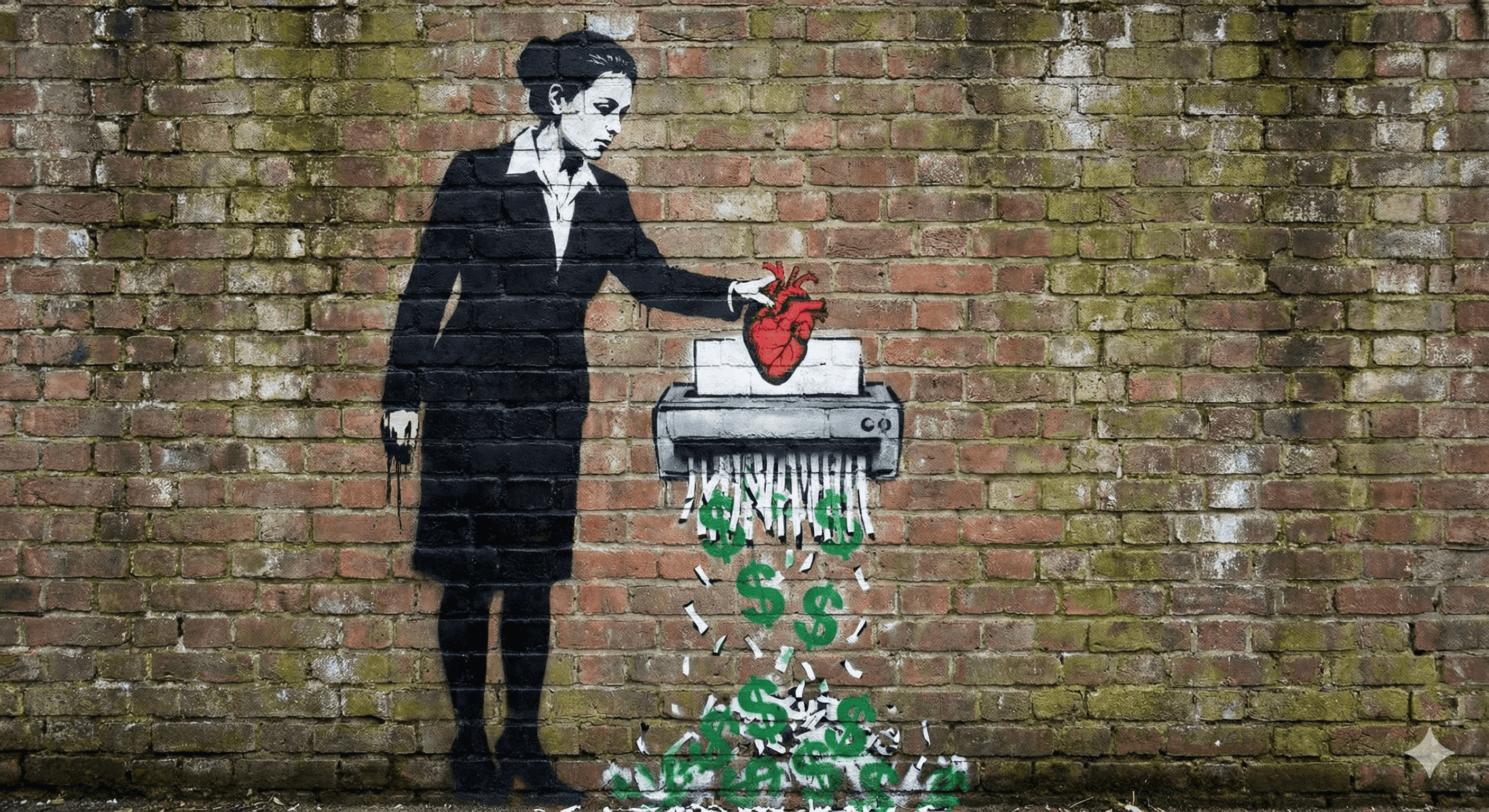
AI is not a replacement for marketing functions. It is a potential multiplier for one that already exists. Without a marketer holding the wheel, they are not saving any money. They are just automating 'meh'. Adding to the deluge of noise that their prospects are increasingly filtering out.
So how should marketing consultants like yourself react when this happens? You have several options:
Ask them to send you their AI-generated plan and offer to feedback at a high level
Highlight the pitfalls, explain why AI isn't a shortcut, and offer to help them use AI in the right way
Attend events and take courses so that in your next exploratory call, the prospect feels how much you know about marketing and AI, and how little they do
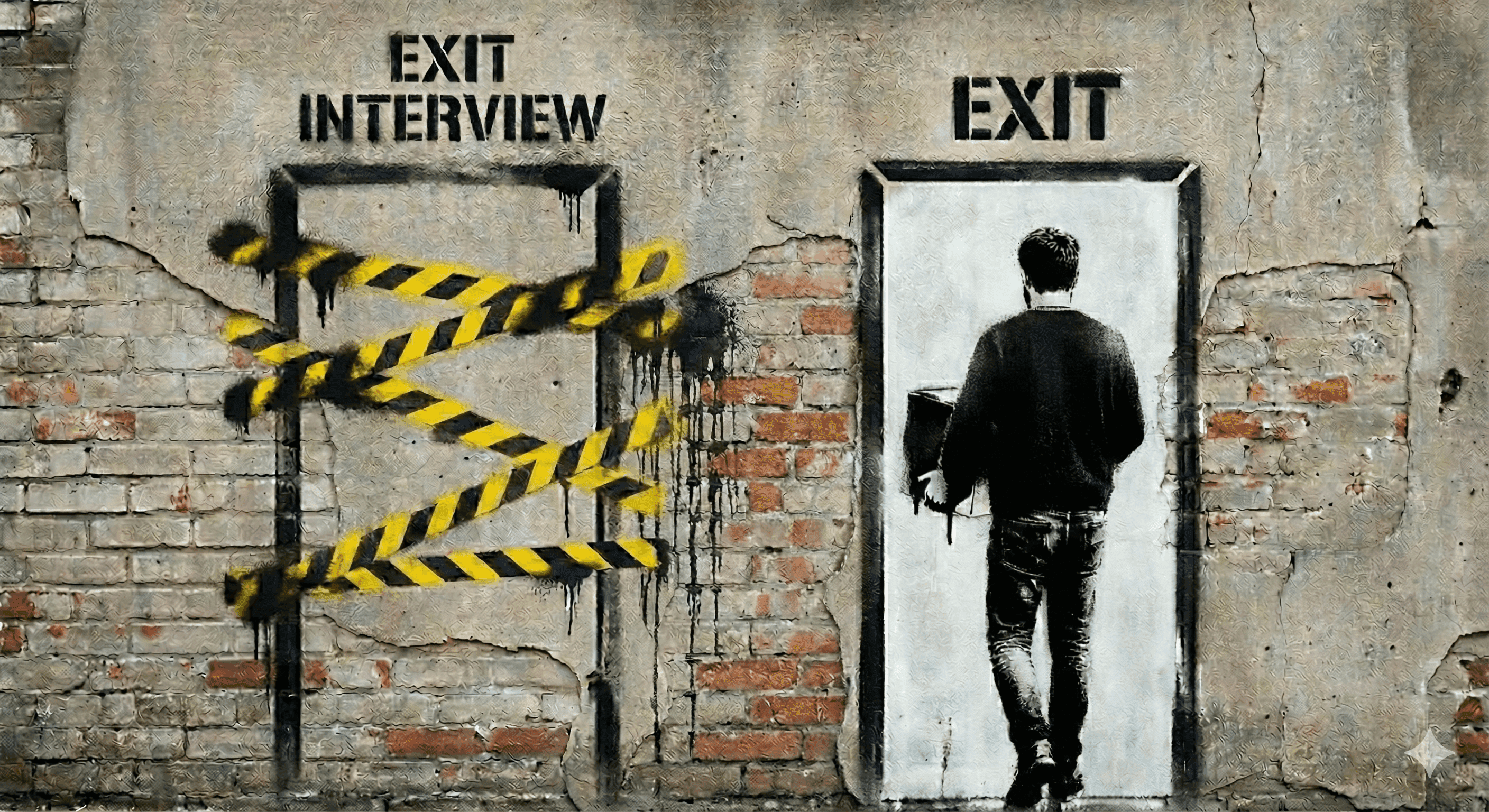
Leave the door open. "If it doesn't work out as well as you hope, you know where I am"
It is always frustrating to lose a potential client you've worked to win, but stay professional, be courteous and try your best not to burn bridges. If they engaged with you once, they must have had some interest in your offer. Prospects sometimes make mistakes. Don't cut yourself off from the option of being their saviour later.
I emphasise the word option.
Knowing which clients are a good fit for you and which ones are a bad fit is one of the most powerful levers you have as a marketing consultant. And time is your most valuable commodity.
Bad clients drain energy. Good ones give it back.
Onwards!
Rich